
Why Mobile Home Parks Are a Good Investment in 2026
Stable demand, recession-resistant returns, and consistent passive income make manufactured housing communities one of the most compelling real estate asset classes available today.
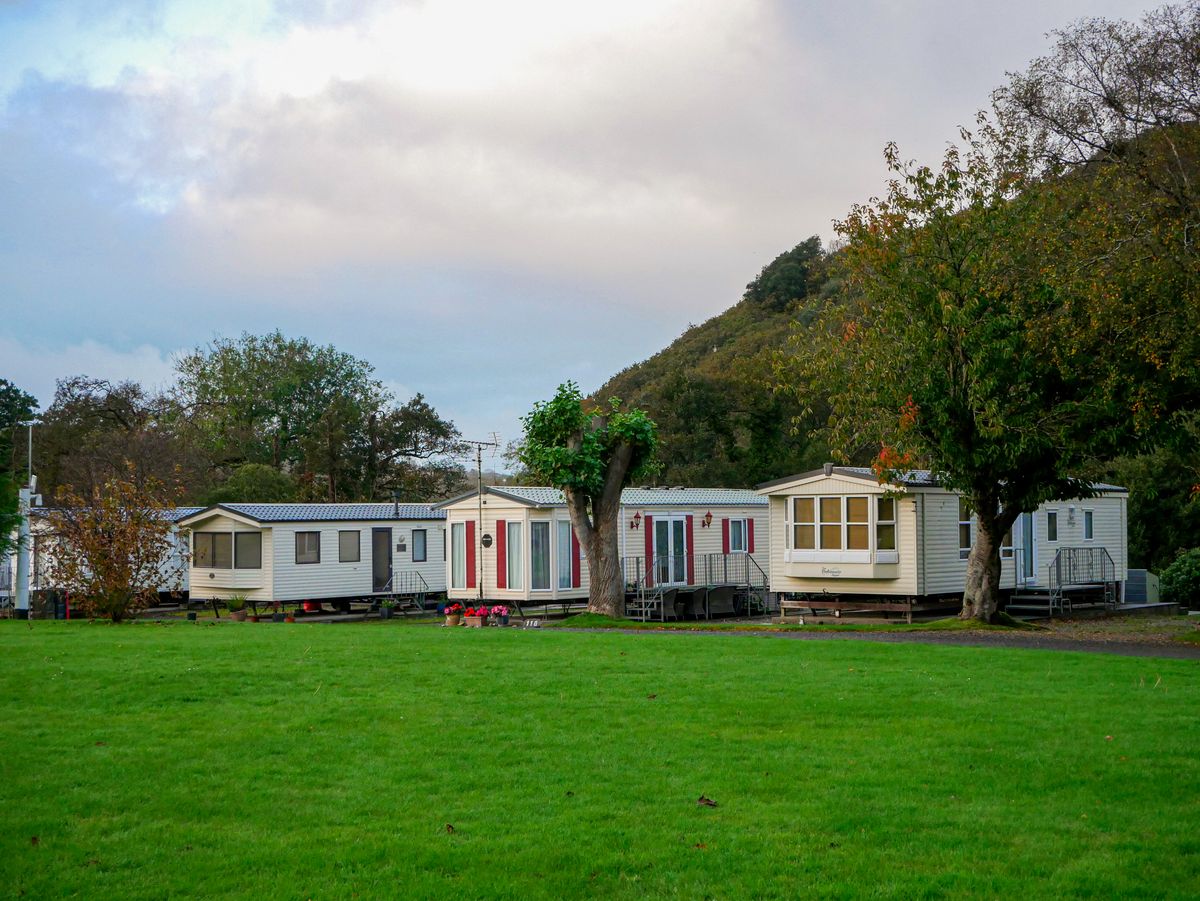
Core Investment Advantages
Four pillars that make mobile home park investing uniquely resilient and rewarding in any economic cycle.
Stable Demand
Affordable housing demand is structurally strong. With median home prices exceeding $400,000 in major metros, manufactured housing remains one of the few attainable options for millions of Americans.
Passive Income
Investors receive recurring lot rent revenue from professionally managed communities — without day-to-day landlord responsibilities or property maintenance obligations.
Long-Term Value
Zoning restrictions have made new park construction virtually nonexistent for decades, protecting existing assets. Only ~310 new parks have been built since 1980 nationally.
Expert Management
Treeside Capital handles acquisition, operations, and asset management — delivering hands-off, stable returns with operating expense ratios 35–45% lower than comparable apartment complexes.
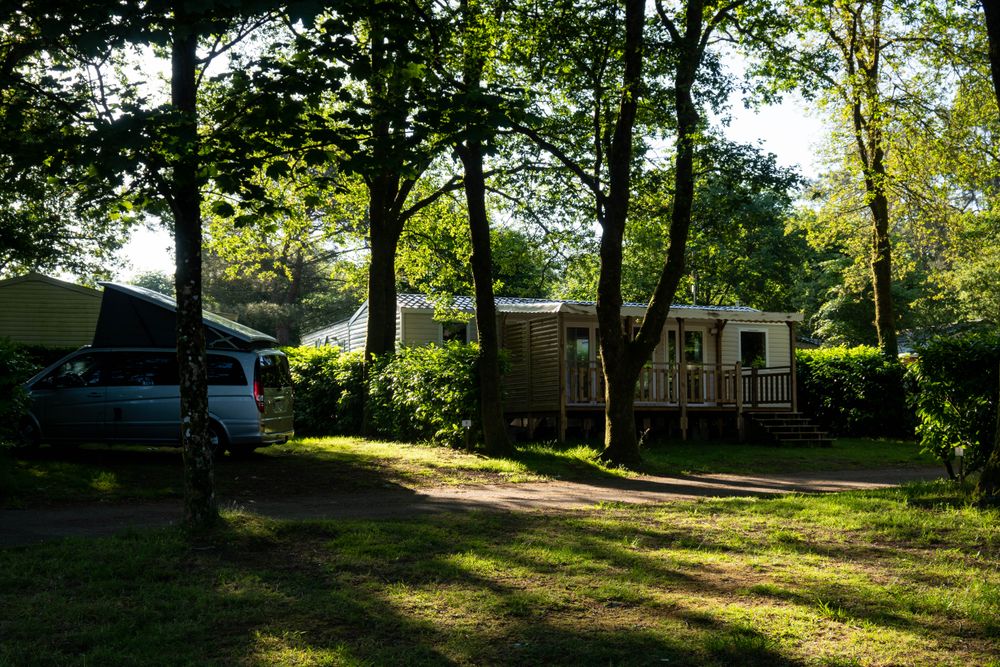

What Is Mobile Home Park Investing?
Mobile home park investing offers a stable, recurring income stream because residents typically own their home but lease the land from the park owner — dramatically reducing turnover while generating highly predictable lot rent revenue.
Unlike traditional rental properties, operators focus purely on land and infrastructure. This land-lease model is the key structural differentiator that makes MHPs one of the lowest-maintenance income assets in real estate.
- Residents own their home — park owner collects monthly lot rent
- Operating expenses run 35–45% vs. 50–65% for apartments
- Moving a home costs $3,000–$10,000 — creating natural retention
- Annual turnover under 5% vs. 50%+ in typical apartment buildings
Demand Remains Structurally Strong
The U.S. faces a documented affordable housing crisis. Only 38% of U.S. households can afford a median-priced home today, down from 57% in 2020. Manufactured housing communities absorb that overflow demand directly.
Supply-Constrained Market — Zoning laws prevent new park development in most jurisdictions. Existing assets benefit from near-zero new competition entering the market.
Rising Rent Pressure — Traditional rents rising across every major metro drive more residents toward affordable manufactured housing options, expanding the tenant pool.
Recession-Resilient — Affordable housing demand strengthens during economic downturns, providing counter-cyclical protection unavailable in most asset classes.
Institutional Momentum — Over $750 million in institutional fund commitments entered the MHP sector in 2025 alone, validating the asset class's long-term fundamentals.
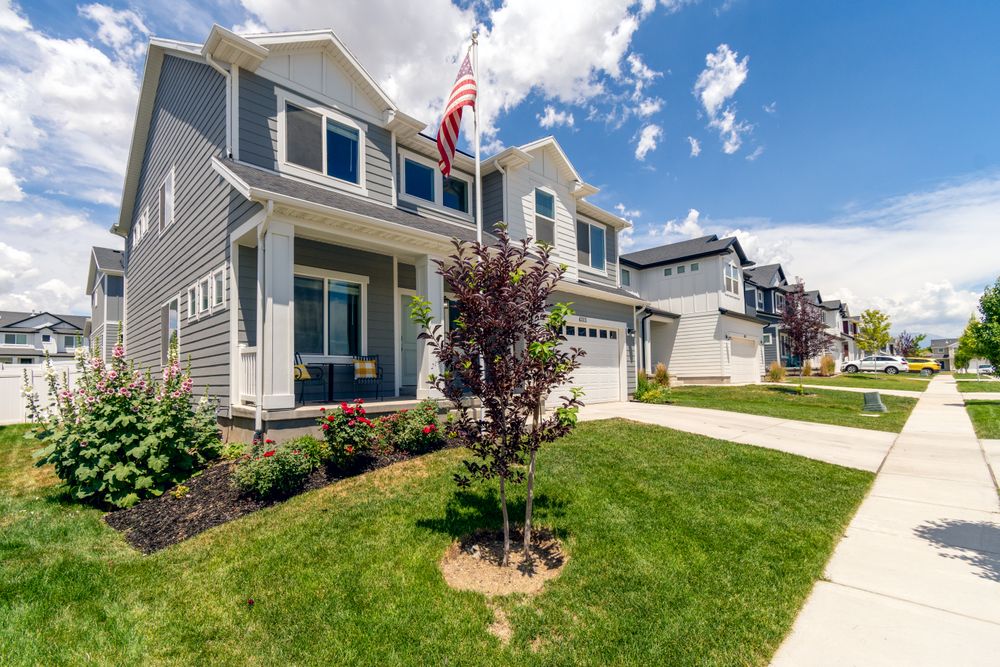
Why the Numbers Work
Research-backed data from Matthews Real Estate, Keel Team, and the Housing Affordability Institute — verified February–April 2026.
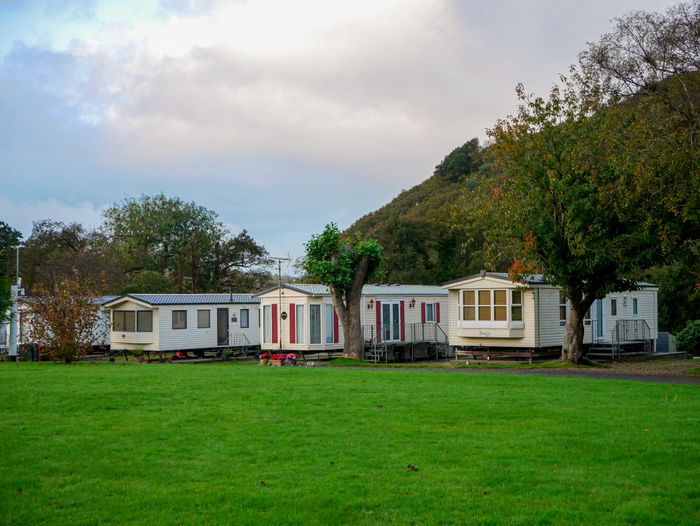
Built for Passive Investors
Invest alongside experienced operators without day-to-day involvement. Treeside Capital handles all acquisitions, operations, and investor reporting.
Risks to Consider
Like any investment, mobile home parks carry risks. Treeside Capital mitigates these through disciplined underwriting, thorough due diligence, and active asset management.
📍 Market Selection
Location is the primary driver of long-term occupancy and returns. We target high-demand, supply-constrained markets with strong employment and population growth fundamentals.
🔧 Infrastructure Condition
Older parks may require capital improvements to utilities and roads. Our pre-acquisition due diligence quantifies all deferred maintenance before any investment is committed.
📋 Regulatory Environment
Zoning and tenant-protection rules can evolve. Recent displacement events in markets like Cary, NC have accelerated policy attention. We maintain proactive municipal relationships.