
How to Invest in Mobile Home Parks: 8 Smart Steps
How to invest in mobile home parks starts with understanding the land-lease model, choosing the right investment structure, reviewing market fundamentals, and completing disciplined due diligence. This guide explains the active and passive pathways available to investors.
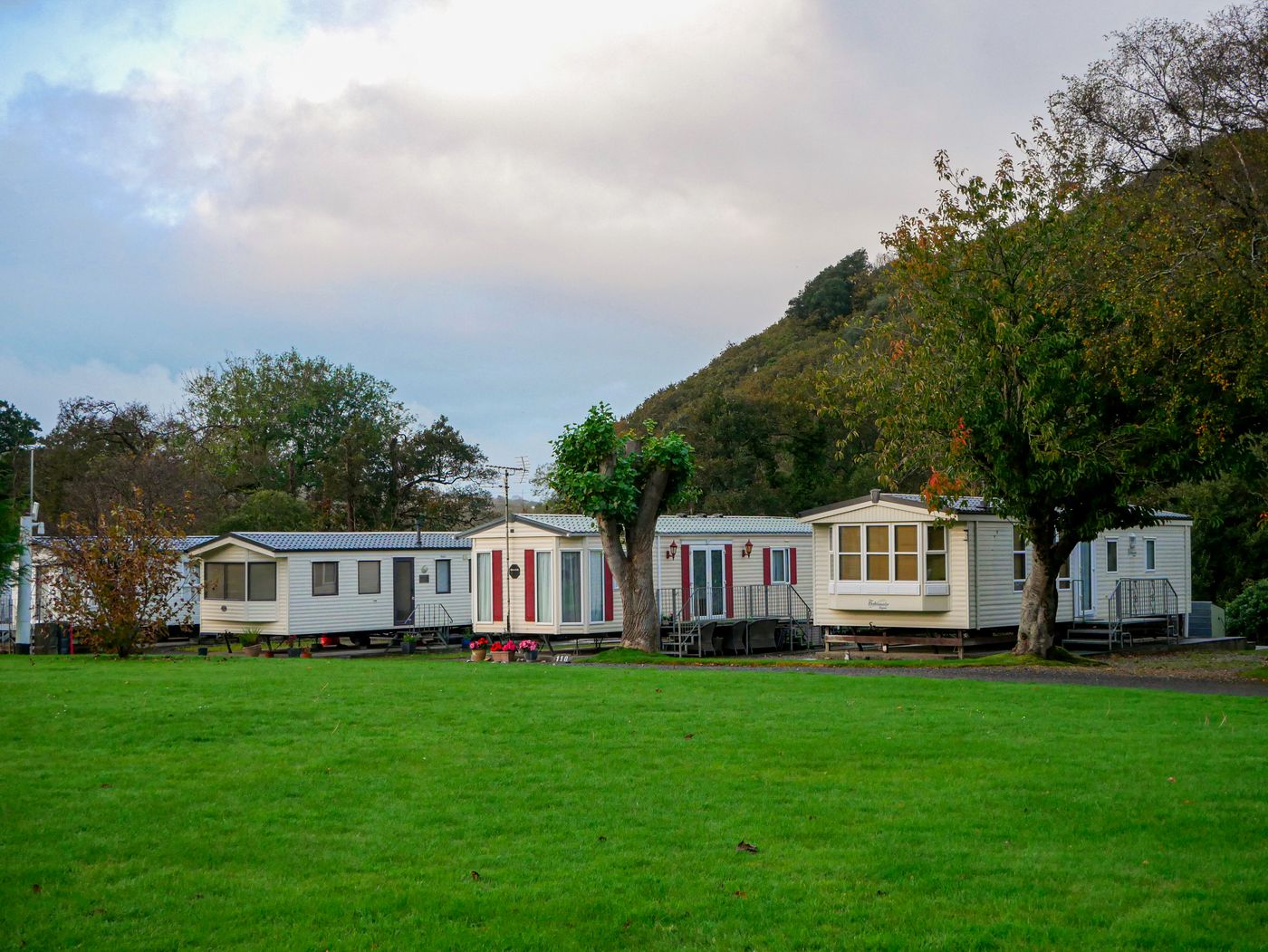
How Would You Like to Invest?
Start with the route that best matches your available time, capital, operating experience, and desired level of control.
Active Ownership
Source, finance, acquire, and operate a community directly. Best for experienced investors seeking greater control and willing to manage execution risk.
Review the active processPassive Investment
Participate through a professional sponsor while the operating team manages acquisition, financing, operations, reporting, and the planned exit.
Explore passive investingComplete Guide Contents
What Is Mobile Home Park Investing?
Mobile home park investing generally involves owning or investing in a manufactured housing community where residents lease individual lots. In many communities, residents own their homes while the property owner maintains the land, roads, common areas, and utility infrastructure.
This structure differs from conventional apartment ownership. Instead of owning every dwelling, the operator may primarily generate revenue through lot rents, utility reimbursements, storage, and other community services. Because moving a manufactured home can be difficult and expensive, mature communities may experience lower turnover than many traditional rental properties.
Investors researching how to invest in mobile home parks should evaluate the property structure, resident profile, utility responsibilities, local regulations, and the operator's ability to maintain the community responsibly.
Investors can participate through direct ownership, partnerships, private funds, or mobile home park syndication.
Why Learning How to Invest in Mobile Home Parks Matters
The asset class can combine affordable-housing demand, recurring lot rent, supply constraints, and operational improvement opportunities.
Affordable Housing Demand
Manufactured housing can serve households seeking lower-cost alternatives to site-built homes and conventional rentals.
Supply Constraints
Local zoning and development barriers can limit the creation of new communities, supporting the relevance of existing assets.
Recurring Income
Lot rents and community-related revenue can create recurring cash flow when occupancy and collections are managed effectively.
Value-Add Potential
Improving occupancy, expense controls, infrastructure, collections, and resident experience may increase net operating income.
Lower Building Exposure
Resident-owned-home communities may reduce some maintenance responsibilities compared with owning every rental structure.
Defensive Demand
Affordable housing remains a fundamental need, though property performance still depends on local conditions and execution.
Potential Tax Benefits
Real estate ownership may provide depreciation and other tax considerations. Investors should consult qualified tax professionals.
Professional Operations
Experienced operators can improve reporting, maintenance planning, resident communication, and long-term asset management.
Different Ways to Invest in Mobile Home Parks
The right structure depends on your available capital, preferred level of involvement, experience, liquidity needs, and tolerance for risk.
Direct Ownership
Purchase and operate a community yourself. This provides control but requires substantial capital, operating experience, financing, and active management.
Joint Venture
Partner with another investor or operator. Responsibilities, capital, profit sharing, and decision authority should be clearly documented.
Syndication
Pool capital with other investors while a sponsor manages sourcing, acquisition, operations, reporting, and the eventual exit.
Private Fund
Invest through a diversified vehicle that may acquire several assets, subject to the fund's strategy, fees, liquidity terms, and risk profile.
Public REIT
Gain public-market exposure to real estate companies with manufactured housing portfolios, typically with higher liquidity but less asset-level control.
Passive Sponsor Investment
Participate with an experienced operator and receive updates and distributions without handling day-to-day property management.
How to Invest in Mobile Home Parks Step by Step
Use a disciplined process rather than relying on promotional claims or a single projected return.
Learn the Asset Class
Understand lot rent, resident-owned homes, park-owned homes, utilities, occupancy, expense ratios, and local regulations.
Define Your Goals
Clarify your investment horizon, target income, risk tolerance, liquidity needs, and preferred level of involvement.
Choose Active or Passive
Decide whether to own and manage directly or participate through a sponsor, partnership, syndication, or fund.
Research Markets
Study population, employment, housing affordability, rental demand, zoning, infrastructure, and competing communities.
Review Financials
Analyze trailing operations, rent rolls, collections, vacancy, utility expenses, taxes, insurance, and realistic capital reserves.
Understand Financing
Review debt terms, rate structure, maturity, covenants, leverage, required reserves, and refinancing assumptions.
Complete Due Diligence
Inspect roads, water, sewer, electrical systems, title, zoning, legal compliance, environmental issues, and deferred maintenance.
Invest and Monitor
Review ongoing reporting, operational performance, distributions, capital projects, debt obligations, and exit-plan progress.
How Much Money Do You Need?
Capital requirements vary widely based on the property, market, investment structure, financing terms, and condition of the community.
Direct ownership may require a meaningful down payment, closing costs, financing fees, due-diligence expenses, and reserves for immediate repairs and future capital improvements. Passive opportunities may have stated minimum commitments, which should be reviewed alongside fees, projected hold period, liquidity restrictions, and risk disclosures.
Understanding how to invest in mobile home parks also means planning for reserves instead of committing every available dollar to the initial acquisition or investment minimum.
Never invest based only on the minimum amount. Evaluate whether the investment fits your broader financial plan and whether you can hold the position for the entire expected term.
Capital Categories to Review
Understanding Mobile Home Park Investment Returns
Projected returns are assumptions, not guarantees. Evaluate the operating plan, debt, fees, downside scenarios, and sponsor execution—not just the headline number.
NOI Growth
Net operating income may improve through occupancy gains, better collections, expense controls, utility billing, and responsible rent adjustments.
Appreciation
Asset value can rise when net operating income increases or market pricing improves, but values may also decline.
Exit Proceeds
Investors may receive proceeds when the asset is refinanced or sold, subject to debt repayment, fees, taxes, and actual market conditions.
Mobile Home Parks vs. Other Real Estate Investments
Every asset class has different operational requirements, risks, demand drivers, and liquidity characteristics.
| Asset Type | Typical Management | Turnover Exposure | Capital Requirements | Key Risk |
|---|---|---|---|---|
| Mobile Home Parks | Specialized community operations | Can be lower in resident-owned-home communities | Moderate to high | Infrastructure and local regulation |
| Apartments | Unit-level leasing and maintenance | Generally higher | High | Unit turnover and maintenance |
| Single-Family Rentals | Property-by-property management | Moderate | Moderate | Concentration and repairs |
| Self-Storage | Operational and marketing focused | Frequent but lower-cost | Moderate to high | Oversupply and pricing pressure |
| Office | Lease and tenant improvement intensive | Low frequency, high impact | High | Demand shifts and vacancy |
| Short-Term Rentals | Hospitality-like operations | Very high | Moderate | Seasonality and regulation |
Risks to Consider Before Investing
Mobile home parks can offer attractive characteristics, but no investment is risk-free. Review the downside as carefully as the potential upside.
Market Risk
Population, employment, competing housing, and local economic conditions affect occupancy and collections.
Infrastructure Risk
Roads, water, sewer, electrical systems, and drainage can require significant capital.
Financing Risk
Interest rates, refinancing, leverage, debt maturity, and lender covenants can affect returns.
Regulatory Risk
Zoning, licensing, tenant protections, rent regulation, and utility rules vary by jurisdiction.
Operational Risk
Collections, maintenance, staffing, resident communication, and expense control require consistent execution.
Liquidity Risk
Private investments may be difficult or impossible to sell before the planned exit.
Mobile Home Park Due Diligence Checklist
A strong review combines property inspection, financial verification, legal analysis, market research, and downside testing.
How to Invest in Mobile Home Parks as a Passive Investor
Passive investing may suit individuals who want exposure to manufactured housing without personally sourcing, financing, and operating a community.
Treeside Capital focuses on acquisition, underwriting, financing, operations, resident communication, asset management, reporting, and exit execution. Investors should still review each opportunity carefully, including fees, risks, assumptions, legal documents, and hold-period expectations.
For individuals learning how to invest in mobile home parks without becoming full-time operators, a professionally managed structure may provide a more practical path—subject to eligibility, offering terms, liquidity limits, and investment risk.
What a Professional Sponsor May Handle
Common Beginner Mistakes
Many problems begin with unrealistic assumptions, incomplete due diligence, or insufficient capital planning. Anyone learning how to invest in mobile home parks should study the downside before focusing on projected returns.
Ignoring Infrastructure
Utility and road problems can create costs that overwhelm an otherwise attractive acquisition.
Overstating Rent Growth
Projected increases should reflect local affordability, competition, regulations, and resident impact.
Underfunding Reserves
Insufficient reserves can force emergency capital calls or delay necessary repairs.
Choosing Weak Markets
Low purchase price does not compensate for shrinking demand, poor employment, or population decline.
Skipping Zoning Review
Legal nonconformity, density limits, licensing, and expansion restrictions can materially affect value.
Underestimating Management
Collections, resident relations, maintenance, and vendor oversight require consistent systems.
Ignoring Liquidity
Private investments may require investors to hold capital for several years.
Relying on Headline Returns
Review assumptions, fees, debt, downside scenarios, and sponsor execution—not only projected IRR.
Research Resources for How to Invest in Mobile Home Parks
Reliable market research helps investors separate verified information from promotional assumptions. When studying how to invest in mobile home parks, use current housing data alongside property-level financial and operational due diligence.
The U.S. Census Bureau Manufactured Housing Survey publishes official information about shipments, prices, and characteristics of new manufactured housing. This external authority link is intentionally left as a standard follow link.
Frequently Asked Questions
Begin by learning the land-lease model, defining your goals, choosing an active or passive approach, researching markets, reviewing financials, and completing thorough operational, legal, and infrastructure due diligence.
They can offer recurring income, affordable-housing demand, limited new supply, and operational upside. Results depend on acquisition price, local conditions, infrastructure, financing, management, and the investment's specific risks.
Yes. Passive investors may participate through syndications, private funds, joint ventures, or other sponsor-managed structures without handling daily property operations.
It is a structure where multiple investors pool capital while a sponsor identifies, acquires, finances, manages, and eventually exits the property. Investors receive an ownership interest subject to the legal documents and deal terms.
There is no universal return. Actual results depend on purchase price, debt, occupancy, expenses, capital improvements, fees, rent assumptions, market conditions, and exit pricing. Projections are not guarantees.
Important risks include market demand, infrastructure failure, financing, interest rates, regulation, operations, vacancies, unexpected capital costs, and limited liquidity.
Lot rent is the recurring payment a resident makes for the right to place and occupy a manufactured home on a specific lot within the community.
Eligibility depends on the specific offering and applicable securities rules. Review the offering documents and consult qualified legal or financial advisers.
Hold periods vary by strategy and opportunity. Private real estate investments often require a multi-year commitment and may provide limited or no early liquidity.
Review Treeside Capital's educational resources, explore available properties or syndication information, and schedule a conversation to discuss whether current opportunities align with your goals.
Ready to Learn How to Invest in Mobile Home Parks?
Explore Treeside Capital's educational resources and professionally managed investment pathways. Review all opportunities carefully and consider obtaining independent legal, tax, and financial advice.